Why SEO is important for website?
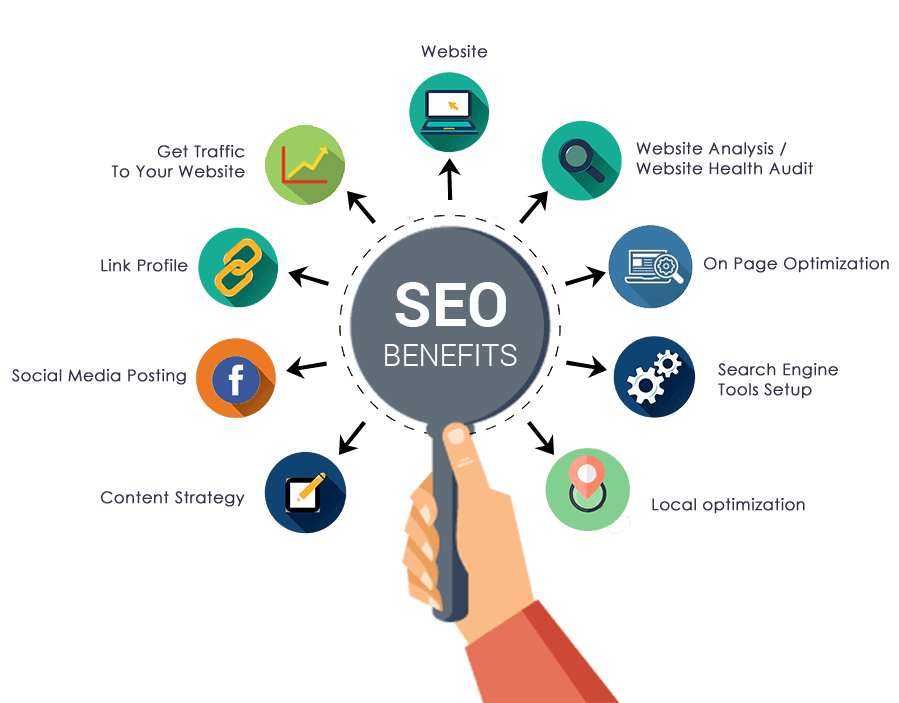
📈 1. Increased Organic Visibility and Traffic
The core goal of SEO is to help your website rank higher in Search Engine Results Pages (SERPs), primarily on Google.
Be Found by Customers: The vast majority of searchers (over 75%) never look past the first page of results. By ranking highly, you ensure your business is visible to users actively seeking your solutions.
Quality Traffic: Unlike many forms of paid advertising, organic traffic consists of users with high intent—they are already looking for what you offer, making them much more likely to convert.
💰 2. Cost-Effectiveness and High ROI
Once your SEO strategy is successfully implemented, the traffic you receive is essentially free.
Sustainable Growth: While SEO requires an initial investment of time and resources (or the cost of an agency/specialist), the results are long-lasting. High rankings act as a passive asset, continually delivering traffic month after month.
Reduced Advertising Costs: As your organic traffic increases, you become less reliant on expensive Pay-Per-Click (PPC) campaigns to maintain lead flow.
🌐 3. Building Authority and Trust
Google rewards websites that demonstrate E-E-A-T (Experience, Expertise, Authoritativeness, and Trustworthiness).
Credibility: Users inherently trust websites that appear at the top of organic search results. A high ranking signals that Google (and, by extension, your audience) views you as a reliable and credible source in your industry.
Brand Recognition: Consistent high rankings increase brand exposure, making your business a familiar and authoritative presence in the minds of potential customers.
📱 4. Better User Experience (UX)
Modern SEO is heavily focused on the user. Optimizing for search engines means optimizing for people.
Core Web Vitals: SEO requires optimizing for technical factors like page speed, mobile-friendliness, and site security (HTTPS). These improvements lead to a faster, smoother, and more secure experience for visitors.
Reduced Bounce Rate: A well-structured, easy-to-navigate website keeps users engaged longer, reducing the bounce rate and signaling to Google that your site provides value.
🎯 5. Understanding Your Audience
SEO tools and analytics provide valuable insight into what your potential customers are searching for.
Keyword Research: By analyzing keywords, you learn the exact language, pain points, and questions your audience is using, allowing you to tailor your content and product offerings to their needs.
Market Intelligence: SEO data helps you understand competitive dynamics and market demand, informing broader business and product strategies.